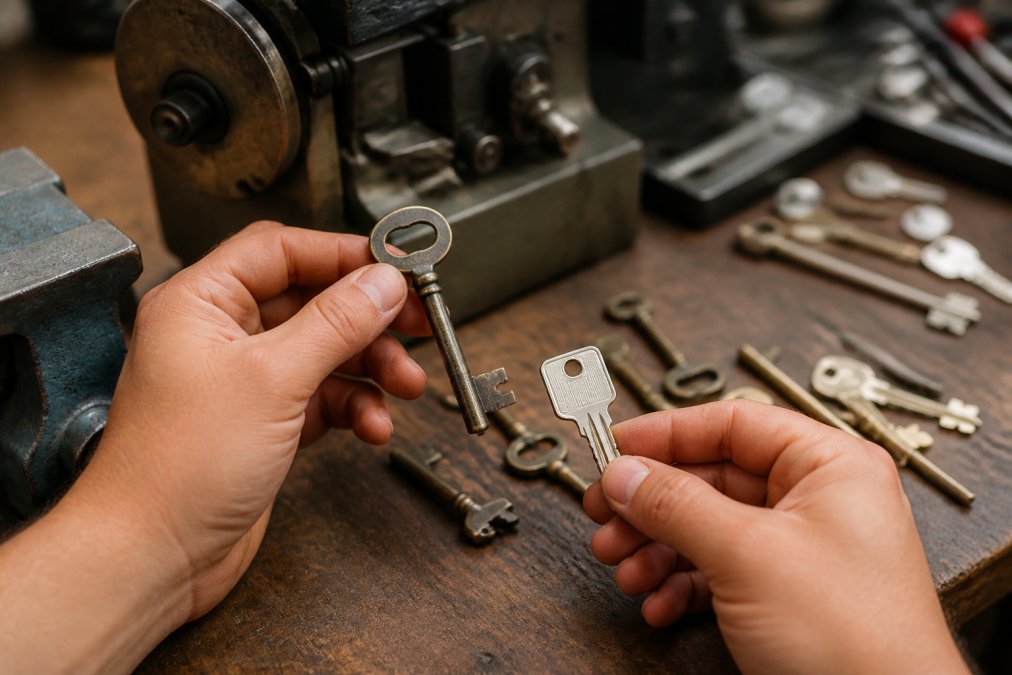
 ultimate-guide
Can Old Master Keys Be Upgraded? A 2026 Guide
Table of Contents
- Understanding Master Key Systems and Why Upgrades Matter
- How Master Key Systems Work and Their Current Limitations
- Repairing Antique Master Key Systems vs. Full Replacement
- Master Key System Security Risks in Older Hardware
- Benefits of Upgrading Commercial Lock Systems and Access Control
- Retrofitting vs. Complete Hardware Replacement
- When to Call a Professional Locksmith for Master Key Upgrades
- Conclusion
Last Updated: August 24, 2026
Understanding Master Key Systems and Why Upgrades Matter
A master key system is a hierarchical lock configuration that allows multiple different keys to open the same lock, with one master key capable of opening all locks in the system. This setup has been standard in commercial buildings, apartment complexes, and large facilities for decades, offering convenience for property managers and building operators who need flexible access without carrying dozens of individual keys.
The question of whether old master keys can be upgraded is more nuanced than a simple yes or no. Many property managers inherit aging systems from previous decades and wonder if retrofitting is possible or if complete replacement is necessary. The answer depends on the specific hardware, your security requirements, and your budget constraints.
At SOUTHMIAMILOCKSMTIH.COM, we work with clients regularly who face this exact decision. Buildings with legacy master key systems from the 1990s or early 2000s often operate with hardware that no longer meets modern security standards. Understanding your options, whether to repair, upgrade, or replace, requires knowing how these systems function and where their vulnerabilities lie.
The real challenge isn't just technical. It's about balancing operational continuity with security improvements. Older systems work fine until they don't, and by then, the cost of emergency replacement far exceeds planned upgrades.
How Master Key Systems Work and Their Current Limitations
Master key systems function through a series of specially cut pins inside the cylinder plug. Each change key opens only its designated lock, while the master key manipulates an additional pin that allows it to operate every lock in the system. This elegant mechanical solution has worked for generations, but it introduces inherent security vulnerabilities that modern systems address.
The pin tumbler mechanism relies on precise bitting codes, the specific cuts on each key that correspond to pin heights inside the lock. In older systems, these bitting codes were often not restricted, meaning a skilled locksmith (or someone with malicious intent) could potentially analyze the master key and duplicate it without authorization (nist.gov). Modern high-security cylinders use restricted keyways and patented key profiles that prevent unauthorized duplication.
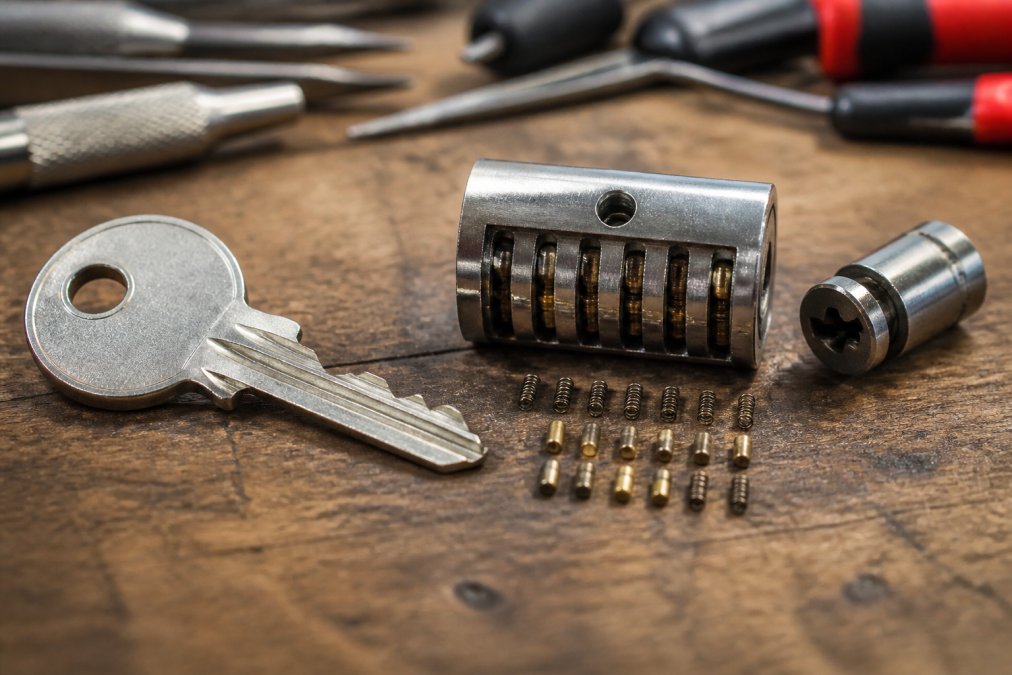
Older hardware typically uses standard keyways, the shape of the key channel, that are widely available. This means anyone with access to a key blank can attempt duplication at many hardware stores or quick-service locksmiths. High-security alternatives use proprietary keyways that require special authorization to duplicate, adding a critical layer of access control.
Another limitation of legacy systems is their lack of audit trails. Modern access control systems can log who accessed which door and when (cisa.gov). Older mechanical master key systems provide no such record. For compliance with security standards or internal policies, this becomes increasingly problematic.
The pin configuration in older systems also becomes worn over time. Repeated insertions of keys cause microscopic damage to the pins and cylinder walls. This wear can eventually allow keys to operate locks they shouldn't, or prevent proper key operation altogether. Replacement becomes necessary not just for security, but for basic functionality.
Repairing Antique Master Key Systems vs. Full Replacement
When an older master key system starts showing problems, sticky locks, keys that don't turn smoothly, or locks that open inconsistently, the decision tree is straightforward: repair or replace?
Repair typically means rekeying the affected cylinders. A locksmith removes the cylinder plug, replaces worn pins with new ones, and recodes them to match your existing master key system. This restores functionality without touching the rest of your system. For a single lock or a few problem locks, rekeying is cost-effective and minimally disruptive.
Full replacement means installing new cylinders with updated hardware throughout the property. This is more expensive upfront but provides several advantages. New cylinders offer better security through restricted keyways and patented designs. They provide clean operation without the grinding or resistance that comes with worn hardware. They also reset your security baseline, you know exactly who has copies of which keys, because you've just created a new master key system from scratch.
The decision hinges on three factors: how many locks are affected, how old the system is, and what your security requirements are. If you're dealing with a 1990s system and two or three locks are showing wear, rekeying those specific locks makes sense. If the entire building's locks are sticky and difficult to operate, replacement becomes the more practical choice despite higher initial cost.
One often-overlooked consideration is compatibility. Older cylinders may use different mounting specifications than modern hardware. Replacement cylinders might not fit existing door frames or lock bodies without modification. Professional locksmiths account for this, but it's a hidden cost that can surprise property managers who attempt DIY assessment.
Master Key System Security Risks in Older Hardware
Security vulnerabilities in legacy master key systems extend beyond simple key duplication. The very nature of hierarchical key systems creates inherent risks that older hardware does nothing to mitigate.
The master pin concept, while mechanically elegant, means that any compromise of the master key affects every lock in your system. If a master key is lost, stolen, or duplicated without authorization, an intruder theoretically has access to your entire property. Older systems provide no way to invalidate a compromised master key without rekeying every single lock, an expensive and time-consuming process.
Restricted keyways in modern systems solve this partially. If your master key is compromised, the restricted keyway means unauthorized duplication becomes nearly impossible. An intruder with your master key still has access, but they can't make additional copies without proprietary equipment and authorization.
Another vulnerability involves security vulnerabilities in the lock mechanism itself. Older pin tumbler locks can be picked by someone with basic skills and tools. Modern high-security cylinders use additional security features, sidebar mechanisms, rotating pins, or other anti-pick designs, that make unauthorized entry significantly more difficult.
Bump keys represent another concern. A bump key is a specially cut key that, when inserted and struck with a hammer, can cause the pins to jump and allow the lock to open (peer-reviewed research). Older locks are more susceptible to this technique. High-security cylinders are engineered specifically to resist bumping.
For properties with valuable assets, sensitive information, or high-traffic areas, these vulnerabilities aren't theoretical concerns. They're real security gaps that need addressing.
Benefits of Upgrading Commercial Lock Systems and Access Control
Upgrading from an older master key system to modern hardware delivers tangible security and operational improvements.
First, restricted keyways prevent unauthorized key duplication. Your master keys can only be copied by authorized locksmiths with proper credentials and your authorization. This gives you genuine control over who can access your property.
Second, modern cylinders integrate with electronic access control systems. You can add keycard readers, biometric scanners, or smart locks to your security infrastructure without abandoning your master key system entirely. This hybrid approach gives you flexibility, some doors remain mechanical for reliability, others become electronic for enhanced logging and control.
Third, high-security cylinders resist picking, bumping, and other mechanical attacks. If security is a concern, this matters. The cost difference between standard and high-security cylinders is modest, but the security improvement is substantial.
Fourth, upgrading allows you to establish clear authorization records. When you install new cylinders, you create a documented baseline of who has which keys. This matters for compliance, insurance, and liability. If an unauthorized person gains access, you can prove the security measures you had in place.
Fifth, modern hardware operates smoothly and reliably. Worn cylinders cause frustration for tenants and staff. New hardware eliminates sticking, grinding, and the need for key jiggling to make locks work. This improves the user experience and reduces maintenance calls.
For commercial properties, these benefits often justify the upgrade cost within a few years through reduced security incidents, fewer maintenance issues, and improved operational efficiency.
Retrofitting vs. Complete Hardware Replacement
Retrofitting means keeping your existing lock bodies and door frames while replacing only the cylinders inside them. This approach minimizes disruption and cost. You don't need to modify doors, frames, or strike plates. Locksmiths simply remove old cylinders and install new ones, then rekey them to your master system.
Retrofitting works well when your lock bodies are in good condition and compatible with modern cylinders. Most standard lock bodies manufactured in the last 30 years accept standard cylinder sizes, so compatibility usually isn't an issue. The main limitation is aesthetic, if you're replacing cylinders in visible locks, you'll see the new hardware. This is rarely a concern in commercial settings.
Complete replacement means removing entire lock bodies and installing new ones. This is more expensive and disruptive, but it gives you total control over your security setup. You can specify exactly which locks use which keyways, add electronic components, and ensure everything meets current standards.
Complete replacement makes sense when lock bodies are damaged, non-standard, or incompatible with modern cylinders. It also makes sense if you're doing major renovations or security upgrades anyway, the labor cost to replace everything at once is lower than retrofitting now and replacing later.
For most properties with functional lock bodies, retrofitting is the practical choice. It gives you modern security hardware without the expense and disruption of full replacement.
When to Call a Professional Locksmith for Master Key Upgrades
Attempting master key system upgrades without professional help is tempting but problematic. The technical requirements are specific, and mistakes can compromise your security or leave you unable to access your own property.
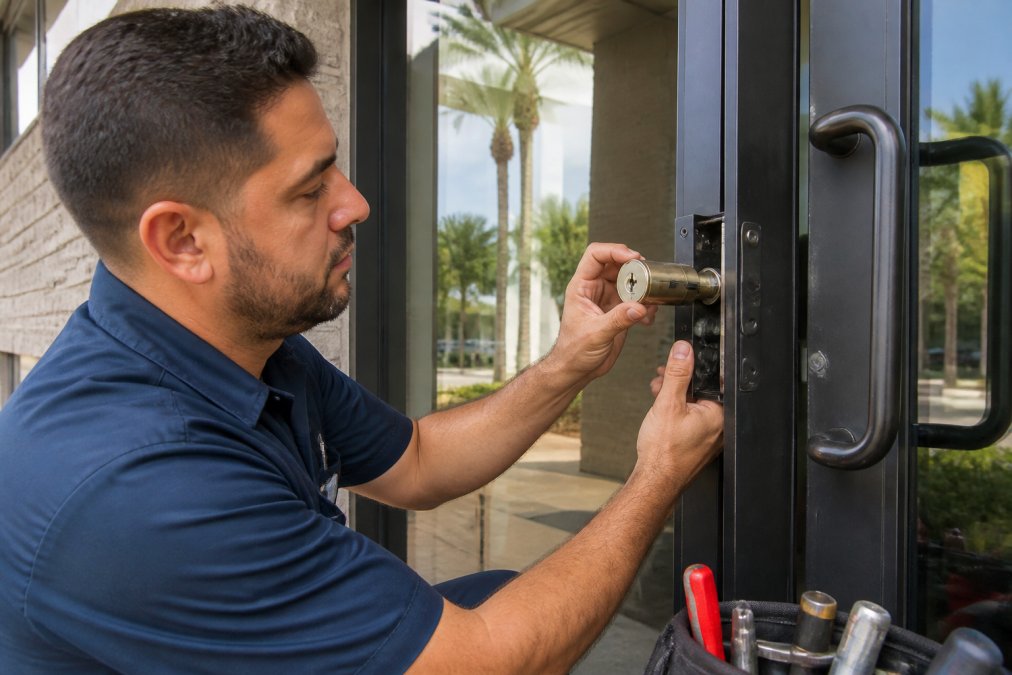
Professional locksmiths bring several critical capabilities. They understand keying hierarchies and can design systems that match your access requirements. They know which hardware is compatible with your existing infrastructure. They have the specialized tools needed for precise key cutting and cylinder installation. They maintain records of your master key codes and can provide documentation for compliance purposes.
A common mistake is calling a general handyman or hardware store employee to handle master key work. These individuals may lack the specialized knowledge and tools needed. They might install incompatible cylinders, create keying errors that compromise security, or fail to document the system properly. The cost savings disappear when you need emergency rekeying or discover security gaps.
Professional locksmiths also provide expertise on security standards. If your property needs to meet specific compliance requirements, whether for insurance, industry regulations, or internal policies, a professional can ensure your upgrades address those requirements.
Another reason to call professionals: they carry appropriate insurance and bonding. If something goes wrong during installation, they're responsible for fixing it. If you handle it yourself and something fails, you bear the full cost of remediation.
SOUTHMIAMILOCKSMTIH.COM works with property managers and building operators on exactly these upgrades. Our certified technicians understand both legacy systems and modern security requirements. We can assess your current hardware, design an upgrade path that fits your budget and security needs, and execute the work with minimal disruption to your operations. Contact us for a professional evaluation and upgrade recommendations tailored to your property.
Conclusion
Old master key systems can be upgraded, but the approach depends on your specific hardware, security requirements, and operational constraints. Retrofitting modern cylinders with restricted keyways and high-security features into existing lock bodies is often practical and cost-effective. Full replacement makes sense when lock bodies are damaged or incompatible with modern hardware.
The real question isn't whether upgrades are possible, it's whether your current system meets your security needs. Legacy hardware from the 1990s or early 2000s typically doesn't. Unrestricted keyways, worn cylinders, and lack of audit trails create genuine vulnerabilities that modern systems address.
SOUTHMIAMILOCKSMTIH.COM can evaluate your master key system and recommend the right upgrade path. Our certified technicians have 30 years of experience with both antique systems and modern high-security alternatives. We'll assess your hardware, discuss your security requirements, and provide a clear plan, whether that's targeted rekeying, retrofitting with high-security cylinders, or complete system replacement. Contact us for a professional evaluation and upgrade recommendations tailored to your property.
Frequently Asked Questions
Q: Can old master keys actually be upgraded, or do I need to replace the entire system?
A: Old master keys can often be upgraded through retrofitting, which replaces the cylinder and key profile while keeping existing hardware in place. However, the upgrade depends on your lock's age and condition. Legacy hardware from the 1990s or earlier may have security vulnerabilities that make full replacement safer than retrofitting. A professional locksmith can assess whether your current keyway and bitting code support high-security upgrades or if complete hardware replacement is necessary.
Q: What are the main security risks of using an outdated master key system?
A: Outdated master key systems face several risks: older pin tumbler designs are easier to pick, skeleton key profiles can be duplicated without authorization, and legacy hardware lacks modern access control features. Restricted keyway technology in newer systems prevents unauthorized key duplication. Additionally, old systems cannot track who accessed which areas or when, making them unsuitable for commercial properties requiring accountability. High-security cylinder upgrades address these vulnerabilities without always requiring full system replacement.
Q: What are the benefits of upgrading my commercial lock system to a modern master key setup?
A: Modern commercial lock upgrades provide centralized key management, preventing unauthorized duplication through restricted keyways. High-security cylinders resist picking and drilling attacks. You gain the ability to rekey individual locks without replacing hardware, and many systems integrate with digital access control for audit trails. For property managers handling multiple tenants or buildings, a unified key hierarchy reduces lost key incidents and improves security accountability. Professional installation ensures compatibility with your existing doors and frames.
Q: Should I try to upgrade my master key system myself, or do I need a professional locksmith?
A: Professional locksmith services are strongly recommended. Upgrading requires precise bitting code analysis, cylinder compatibility checks, and proper key cutting equipment to create restricted keyways. DIY attempts risk creating security gaps, incompatible keys, or damage to locks. A certified locksmith with experience in Medeco and Multlock high-security systems can assess your keying hierarchy, recommend the right hardware, and ensure all keys function correctly across your property. This expertise prevents costly mistakes and ensures your security investment works as intended.
This article was written using GrandRanker