 how-to
How to Rekey Condo Locks: A Step-by-Step Guide
Table of Contents
- What Does It Mean to Rekey a Lock?
- Rekeying vs. Replacing Locks: Which Is Right for Your Condo?
- HOA Lock Change Regulations and Master Key Systems
- How Long Does It Take to Rekey a Lock?
- Cost to Rekey Locks: What Affects Pricing
- DIY Rekeying vs. Hiring a Professional Locksmith
- When to Rekey Your Condo Locks
- Conclusion
Last Updated: August 26, 2026
What Does It Mean to Rekey a Lock?
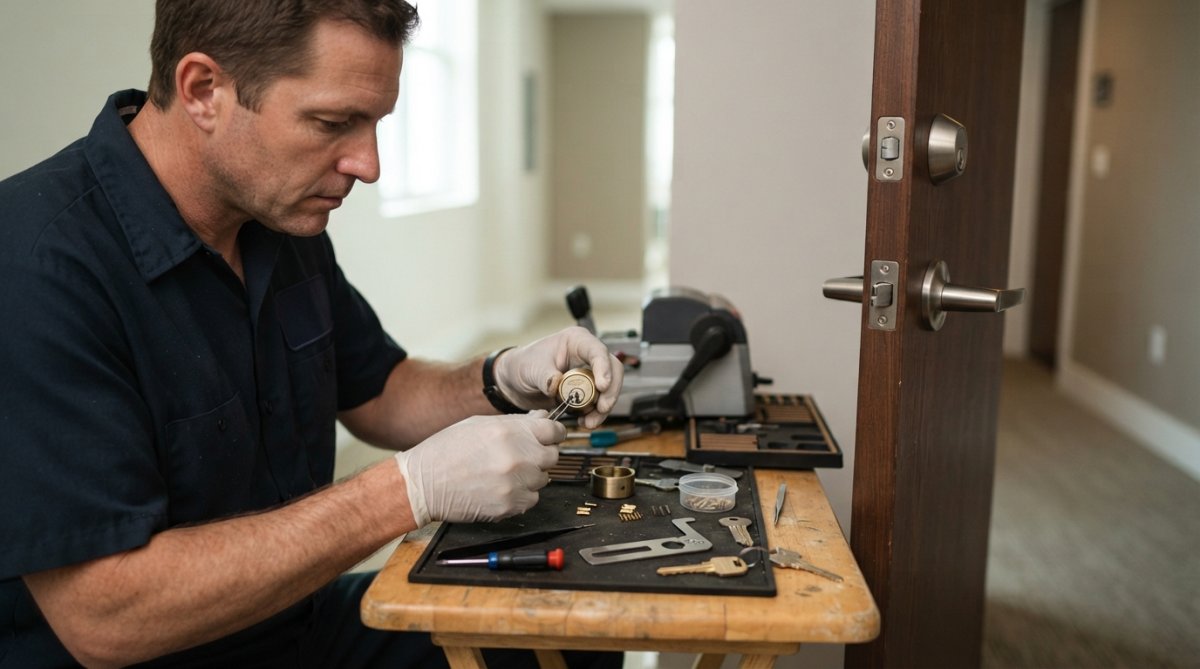
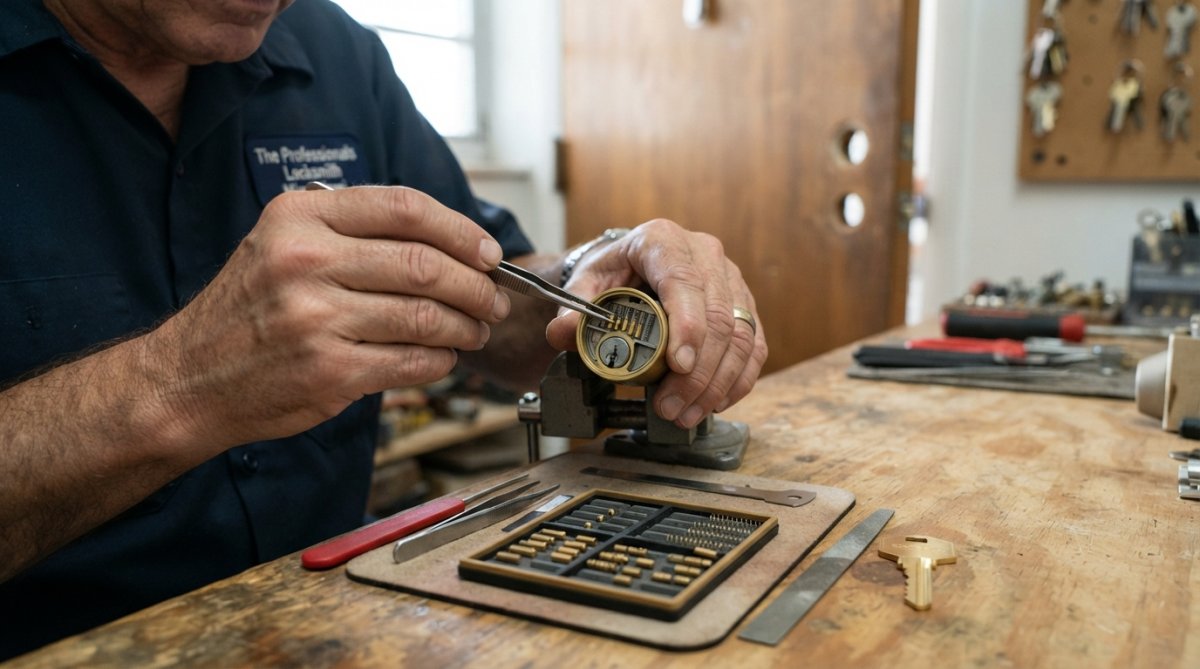
Rekeying a lock is the process of changing the internal pin configuration inside a lock cylinder so that a new key operates it instead of the original key. The lock housing, deadbolt, and external hardware remain unchanged, only the internal mechanism gets reconfigured. A locksmith removes the cylinder plug, takes out the old key pins, and installs a new set that matches a different key blank. The lock functions identically; it just responds to a completely different key.
This works because all standard locks use the same basic architecture: a series of pins of varying heights that must align perfectly with your key's cuts to allow the cylinder to turn. By swapping out those pins, you reprogram which key will work.
Rekeying vs. Replacing Locks: Which Is Right for Your Condo?
Rekeying vs. replacing locks presents a clear trade-off: rekeying is faster and cheaper when your existing locks are solid, while replacement is necessary when locks are damaged or you need to upgrade to a higher security standard.
Rekeying makes sense if your locks are mechanically sound but you need fresh access control, typical for new residents, property managers rotating tenant access, or situations where keys have been lost. Replacing locks becomes necessary when the cylinder is damaged, the mechanism is loose or grinding, the deadbolt doesn't catch securely, or you're upgrading to a smart lock or master key system.
Many condo buildings use a middle ground: rekeying existing locks while simultaneously upgrading some to smart or high-security models, keeping older locks rekeyed for common areas while installing new hardware on unit doors.
HOA Lock Change Regulations and Master Key Systems
Before you rekey any lock in a condo, check your HOA bylaws and building management policies. Many condo associations maintain master key systems that allow building management or emergency responders to access individual units. Rekeying condo locks without approval can violate your HOA regulations and compromise the building's security infrastructure.
A master key system uses specially designed pins inside each lock that respond to both the individual resident's key and a master key held by management. When you rekey a lock without coordination, you can inadvertently break this system, the new key pins may no longer align with the master key, leaving management unable to access your unit in emergencies.
HOA regulations typically require residents to:
- Notify management before rekeying or replacing any lock
- Use only approved lock brands and types
- Maintain compatibility with the building's master key system
- Provide management with a copy of the new key or master key access
- Install locks that meet the building's security standards
If you're moving into a condo and want to rekey the locks, contact your property manager first. They can either coordinate the rekeying themselves or direct you to an approved locksmith who understands the building's master key system.
How Long Does It Take to Rekey a Lock?
The actual rekeying process typically takes 15 to 30 minutes per lock for a skilled locksmith. A simple residential deadbolt on an easily accessible door might take 15 minutes, while a more complex lock or one that's stuck or corroded might take 30 to 45 minutes.
If you're rekeying multiple locks in your condo, a professional locksmith can usually handle 3 to 5 locks in an hour. For a full condo unit with front door, back door, and patio lock, expect 45 minutes to an hour and a half total.
DIY rekeying takes significantly longer, often 45 minutes to over an hour per lock for someone without experience. First-time DIY attempts frequently require multiple attempts to get the pin configuration right.
The timeline also depends on your lock type. Standard pin tumbler locks rekey quickly. Wafer locks are simpler and faster. High-security locks with additional security pins or restricted keyways take longer because they require more precision and specialized knowledge.
Cost to Rekey Locks: What Affects Pricing
Several factors influence the cost to rekey locks.
Lock type and complexity is the primary cost driver. Standard residential deadbolts are the least expensive to rekey. High-security locks with restricted keyways, security pins, or complex internal mechanisms cost more because they require specialized knowledge and tools. Master key system locks also cost more because the locksmith must coordinate the new pins with the building's master key specification.
Number of locks being rekeyed affects total cost. Most locksmiths offer per-lock pricing, and you'll typically pay less per lock when rekeying multiple locks at once.
Lock condition impacts pricing. A corroded, stuck, or damaged lock may require extra time to disassemble, clean, or repair before rekeying can begin.
Time of service affects cost. Emergency rekeying during nights, weekends, or holidays typically costs more than standard business hours work.
Your location and local market rates vary. Urban areas and areas with higher cost of living typically charge more for locksmith services than rural areas.
For accurate pricing for your specific situation, contact a local locksmith and describe your lock type, how many locks you need rekeyed, and your timeline.
DIY Rekeying vs. Hiring a Professional Locksmith
The decision between DIY rekeying and hiring a professional comes down to your mechanical aptitude, the complexity of your locks, and whether you have time to troubleshoot if something goes wrong.
DIY rekeying is viable if you have:
- Mechanical aptitude and comfort working with small parts
- A single lock or two locks to rekey
- Standard residential deadbolts (not high-security or master key system locks)
- Time to learn the process and potentially make mistakes
- Access to a rekeying kit with instructions
Hire a professional locksmith if you:
- Have multiple locks to rekey
- Have high-security locks or master key system locks
- Need the work done quickly
- Live in a condo with HOA regulations requiring professional installation
- Want a guarantee that the locks will work perfectly with no rework needed
The main advantage of DIY rekeying is cost savings. You'll spend on a rekeying kit (typically $20-50) instead of paying a locksmith's service fee. The main disadvantage is risk: if you misalign the pins or lose a small component, you could end up with a lock that doesn't work and then need to call a locksmith anyway.
Professional locksmiths bring speed, accuracy, and accountability. They complete the work quickly, guarantee it functions correctly, and can handle complications like corroded locks or master key system coordination.
Tools Required for Rekeying
If you decide to rekey locks yourself, you'll need specific tools. Most DIY rekeying can be done with a basic rekeying kit, which typically includes:
- Rekeying plug follower, This tool holds the key pins in place while you remove the cylinder plug from the lock housing.
- Lock cylinder plug removal tool, A specialized tool that helps you extract the cylinder plug from the lock body without damaging it.
- Key pins and springs, The actual pins and springs that you'll swap into your lock, in different sizes to match your new key specification.
- Key blank, A blank key cut to your new desired key specification.
- Small screwdriver or pick, For manipulating small springs and pins inside the lock.
- Instructions or rekeying guide, Documentation showing the correct pin stack for your new key and step-by-step assembly instructions.
Some rekeying kits come with a practice lock so you can learn the process before attempting your actual locks. High-security locks may require additional specialized tools, and master key system locks require even more precision and knowledge, situations where professional rekeying is strongly recommended.
Common Mistakes to Avoid
Even experienced DIYers make rekeying mistakes. Here are the most common ones:
Losing pins or springs. Work over a clean surface, use the plug follower to keep pins organized, and count your pins before and after to ensure you haven't lost any.
Installing pins in the wrong order. Each pin stack must match your new key specification exactly. Double-check your rekeying guide and verify each pin height matches your key blank.
Forgetting springs or installing them backwards. Springs must be placed correctly or the pins won't return to the locked position when you remove the key.
Not cleaning the lock before rekeying. Dust, debris, or corrosion inside the lock can prevent pins from seating correctly.
Over-tightening the cylinder when reinstalling. Tighten just until snug, then test your key.
Failing to test the key before reassembling everything. Insert your new key and verify it turns smoothly before fully reassembling the lock housing.
Not keeping the old key pins. Keep the old pins and springs in a labeled envelope until you're certain your new configuration works perfectly.
When to Rekey Your Condo Locks
Certain situations make rekeying essential or highly recommended.
New resident moving in. You don't know who might have copies of the previous resident's keys. Rekeying ensures only you have access to your unit.
Lost or stolen keys. Rekeying prevents anyone who finds them from accessing your condo.
Ended relationship or roommate situation. Rekey the locks to prevent them from accessing your unit, even if they return their key.
Suspected unauthorized duplication. Rekeying eliminates the risk that duplicate keys will work.
Change of property management or building ownership. The new management may have copies of master keys from the previous management. Rekeying ensures they can only access your unit through the building's master key system with proper HOA authorization.
Security upgrade. If you're upgrading to high-security locks or smart locks, rekeying your existing locks ensures consistency across all your doors.
Regular maintenance or security review. Some security-conscious residents rekey their locks every few years as part of routine security maintenance.

Rekeying your condo locks is a straightforward way to take control of your security and ensure only authorized people have access to your unit. Whether you're moving into a new condo, lost your keys, or need to restrict access after a roommate moves out, understanding the rekeying process helps you make an informed decision about whether to handle it yourself or hire a professional.
For most condo residents, hiring a professional locksmith is the practical choice. The work is completed quickly, the locks function perfectly, and you avoid the risk of mistakes that could damage your locks or require rework. At SOUTHMIAMILOCKSMTIH.COM, our licensed and certified technicians handle rekeying for residential condo units, master key system coordination with building management, and complete security assessments to ensure your condo is properly protected. We understand HOA regulations and master key requirements, so your rekeying maintains building compliance while giving you the access control you need.
Contact SOUTHMIAMILOCKSMTIH.COM for a consultation on rekeying your condo locks, and let our experienced team handle the technical details so you can focus on settling into your new home.
Frequently Asked Questions
Is it better to rekey or replace condo locks?
Rekeying is usually the better choice if your lock hardware is in good condition and you only need to change who has access. Rekeying alters the internal pins so old keys no longer work, but keeps the same lock body. Replace locks only if the hardware is damaged, or you want to upgrade to a different type of lock, such as a smart lock or high-security deadbolt. Rekeying costs less and takes less time than full replacement.
Do I need permission from my HOA to change my condo locks?
Yes, most condo associations require written approval before rekeying or replacing locks. Many HOAs maintain master key systems for emergency access, so changing locks without permission can violate your lease or bylaws. Contact your property management or HOA board before scheduling rekeying work. Some buildings require you to use a locksmith approved by the association to maintain security standards and master key compatibility.
Can I rekey a condo lock myself without a locksmith?
It is possible to rekey a lock yourself if you purchase a rekeying kit and have the correct key blank, but it requires precision and knowledge of the lock's internal mechanism. A professional locksmith can complete the job faster, verify the new key works properly, and ensure the lock remains secure. DIY mistakes can compromise security or leave you locked out.
How much does it cost to rekey locks?
The cost to rekey locks depends on the number of locks, the type of lock (standard deadbolt vs. high-security), and whether you hire a professional or attempt DIY rekeying. Professional rekeying typically costs less than replacing locks. For current pricing and a customized quote based on your condo's specific locks and access needs, contact a licensed locksmith or visit the service provider's website for an estimate.
This article was written using GrandRanker