 how-to
How to Find a Locksmith in South Florida: Verify, Quote & Hire
Table of Contents
- Why Finding the Right Locksmith in South Florida Matters
- How to Verify a Locksmith Before You Hire
- Locksmith License Requirements in Florida and What to Look For
- Getting an Accurate Locksmith Quote Before Work Begins
- Understanding Locksmith Service Call Fees and Emergency Rates
- Common Locksmith Services and When to Call
- How to Avoid Locksmith Scams and Surprise Charges
- Frequently Asked Questions
Last Updated: October 17, 2026
Why Finding the Right Locksmith in South Florida Matters
Getting locked out of your home, car, or business is stressful, whether you need a locksmith south in Florida or elsewhere.
The difference between a professional locksmith and someone posing as one can cost you hundreds of dollars and leave your security compromised. A licensed, bonded, and insured technician follows industry standards and carries proper credentials.
This guide walks you through exactly how to verify a locksmith before you hire, what to expect in pricing, and how to spot the red flags that signal a scam.
How to Verify a Locksmith Before You Hire
Check Licensing and Bonding Status
Before anyone touches your locks, confirm they're licensed, this is especially important when hiring a locksmith south in Florida. Florida requires locksmiths to obtain a license from the Department of State, Division of Corporations.
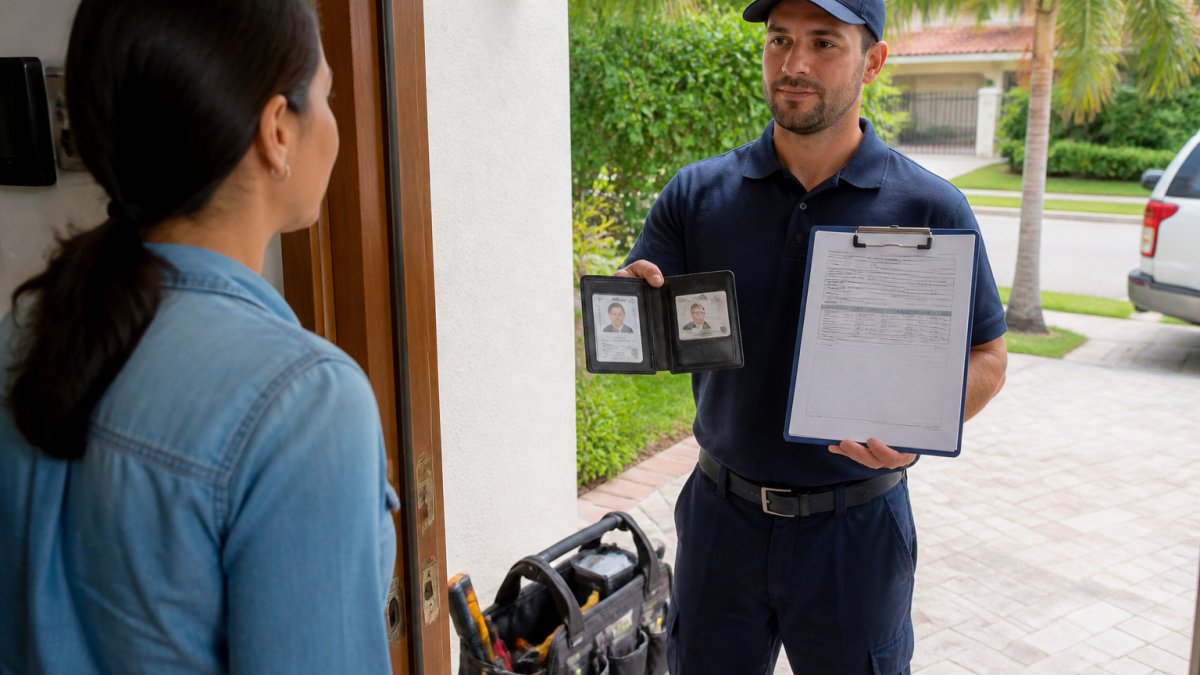
Ask for the license number and verify it directly. Don't rely on what they tell you, check the state database yourself.
Bonding is equally important. A bonded locksmith carries insurance that protects you if something goes wrong. If they damage your door or fail to secure your property properly, the bond covers the cost.
Confirm Insurance and Certifications
Insurance protects both you and the locksmith. If a technician damages your property during a job, their liability insurance covers it. Without insurance, you're liable for repairs.
Ask for proof of insurance before the work begins. A legitimate locksmith will email or show you their certificate of insurance on the spot. Certifications in high-security locks like Medeco or Multlock demonstrate advanced training. These credentials matter, especially for commercial work or high-security residential systems.
Review Customer Feedback and Ratings
Online reviews reveal patterns. Read recent reviews on Google, the Better Business Bureau, and Yelp. Look for consistent praise about punctuality, fair pricing, and professionalism.
Pay attention to how the locksmith responds to negative reviews. A professional business responds respectfully and tries to resolve issues. Ignoring complaints or arguing with customers is a warning sign.
Locksmith License Requirements in Florida and What to Look For
Florida's licensing system exists to protect consumers.
A licensed locksmith in Florida has completed training hours and passed an examination. They carry a license number issued by the state. This number is public record, you can verify it independently.
The license shows the locksmith meets minimum standards for knowledge and ethics. It doesn't guarantee perfection, but it proves they've been vetted. An unlicensed operator has no such accountability.
When a locksmith provides their license number, write it down and verify it before work begins. This takes two minutes and eliminates a major category of risk.
Getting an Accurate Locksmith Quote Before Work Begins
Questions to Ask When Requesting a Quote
Never accept a quote over the phone without specific details about the job. A professional locksmith will ask you detailed questions before giving a number.
Ask them: "What exactly will this service include?" For a lockout, that might mean opening the door, checking for damage, and securing the property.
Request an itemized estimate. A good quote breaks down labor, parts, and any service fees separately.
Ask about their service call fee. Many locksmiths charge a fee just to come out and assess the job.
Red Flags in Pricing and Estimates
A quote that's dramatically lower than others is suspicious. Locksmiths who underbid significantly often add hidden charges once they arrive. They might claim unexpected complications or add fees you weren't told about.
Vague quotes are another warning sign. If someone quotes you a price without asking specifics about your lock, door type, or situation, they're guessing.
Watch for pressure to pay cash immediately. Professional locksmiths accept credit cards and provide receipts. Cash-only operators avoid a paper trail, which makes it harder to dispute charges or file complaints.
Understanding Locksmith Service Call Fees and Emergency Rates
Most locksmiths charge a service call fee to come assess your situation. This fee typically ranges based on the time of day and urgency.
A 2 AM lockout will cost more than a 2 PM one. This reflects the real cost of having a technician available at odd hours.
Ask specifically: "What's your service call fee, and does it apply to the final bill if I hire you?" Some locksmiths credit the call fee toward work.
Be wary of quotes that seem too low for an emergency.
Common Locksmith Services and When to Call
Most locksmith calls fall into a handful of categories. Knowing what each job actually involves, and roughly what it costs, helps you judge whether a quote is fair and whether you can safely handle it yourself.
Residential Lockouts and Home Security Upgrades
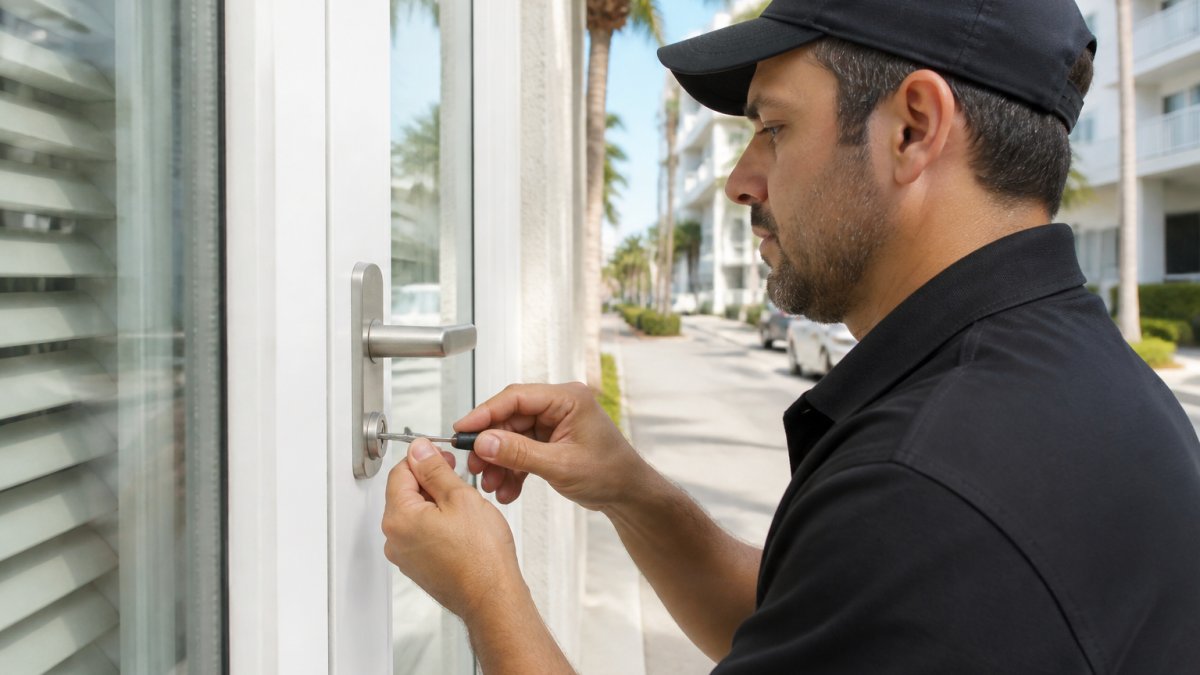
A residential lockout is the most common call. A professional uses non-destructive entry tools to open the door without damaging the lock or frame. Expect a service call fee plus labor, with after-hours calls costing more.
Beyond lockouts, homeowners call for:
- Rekeying after a move. Rekeying changes the pins inside the lock cylinder so the old keys no longer work. It is usually cheaper than replacing the hardware and is the right move when you don't know who holds copies of the previous owner's keys.
- Deadbolt installation. Adding a ANSI/BHMA Grade 1 or Grade 2 deadbolt is the single highest-value security upgrade for most homes. Grade 1 is the strongest residential rating; Grade 3 is builder-grade and should be upgraded.
- Smart lock installation. Keypad and app-controlled locks need correct door prep and, for some models, a compatible hub. A locksmith can confirm your door thickness and backset before you buy.
- Lock repair versus replacement. A sticking lock is often a misaligned strike plate or a worn cylinder, a repair, not a replacement. Ask the technician to explain why replacement is necessary before you agree.
Commercial Services
Commercial work includes master key systems, access control, panic hardware, and lock changes across multiple doors. Property managers typically need a written scope covering door schedules, keying hierarchy, and who holds master keys. Commercial hardware is rated by ANSI/BHMA grade, and most insurers and building codes expect Grade 1 hardware on exterior doors. Ask for a written keying chart and a record of who received each key.
Automotive Services
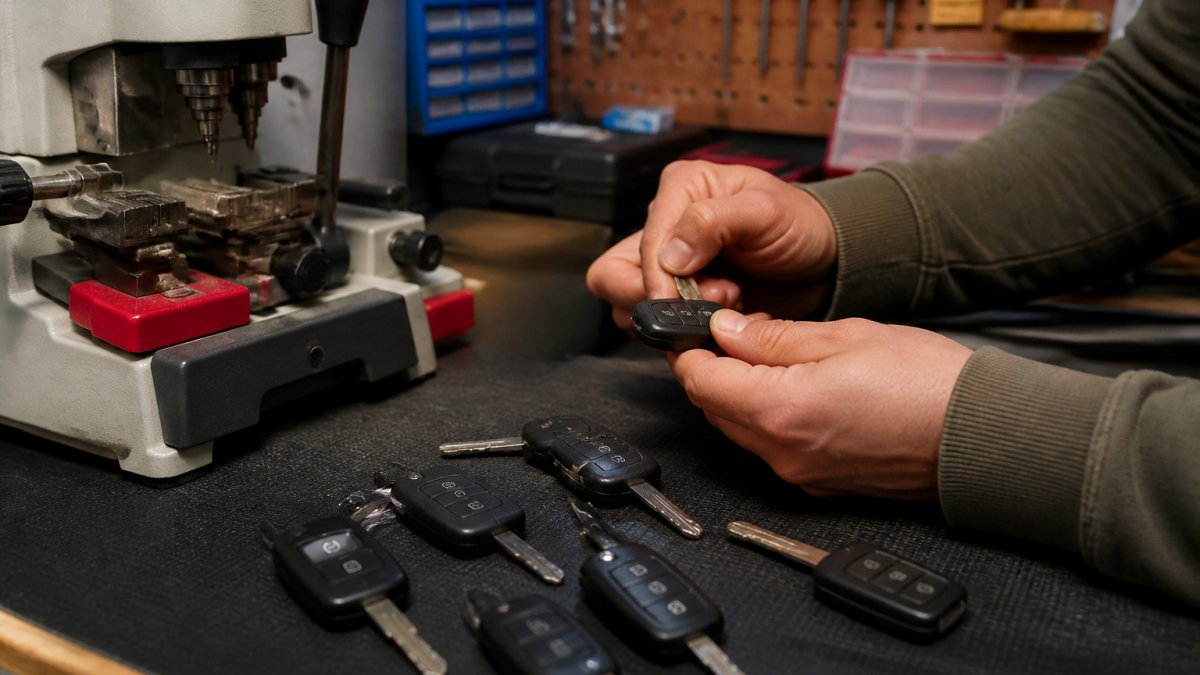
Automotive locksmiths handle car lockouts, broken key extraction, and key replacement. Modern keys fall into three buckets: traditional cut keys, transponder (chip) keys, and smart/proximity fobs. Transponder and smart keys require programming, which needs the right tool for the vehicle's make and model, not every locksmith carries every brand. When you call, give the year, make, model, and whether you have a working key; that determines whether the job is a cut-and-program or an all-keys-lost procedure, which costs more. Expect key programming to be priced separately from the service call.
Safe Opening
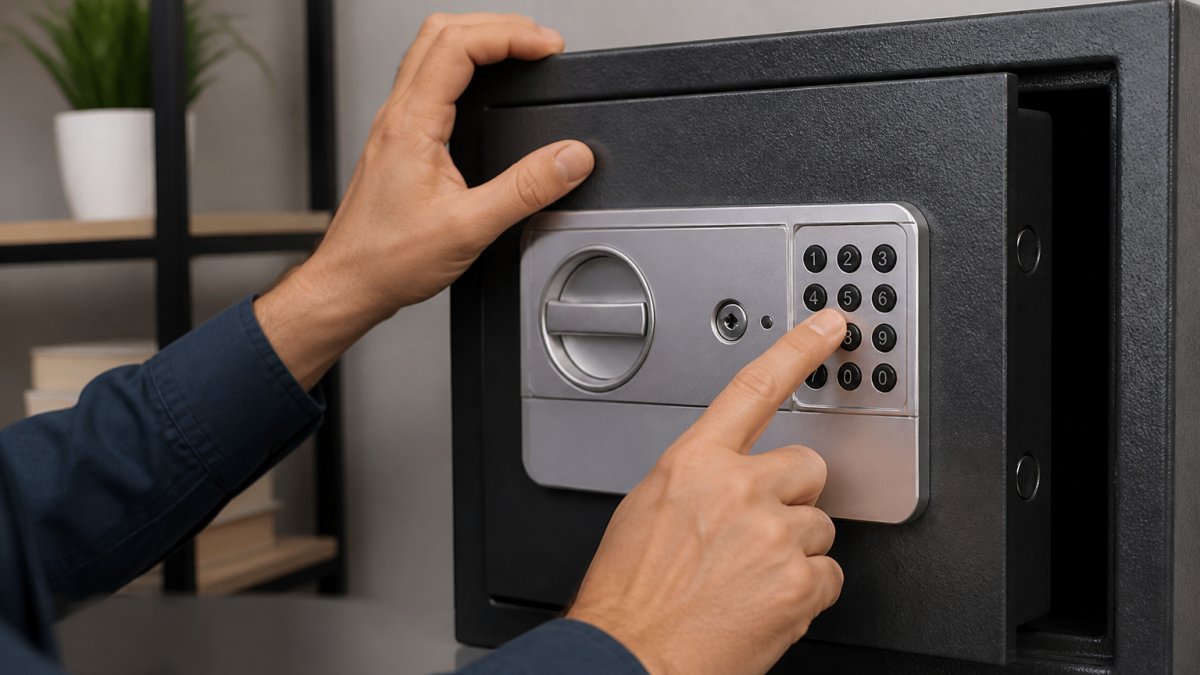
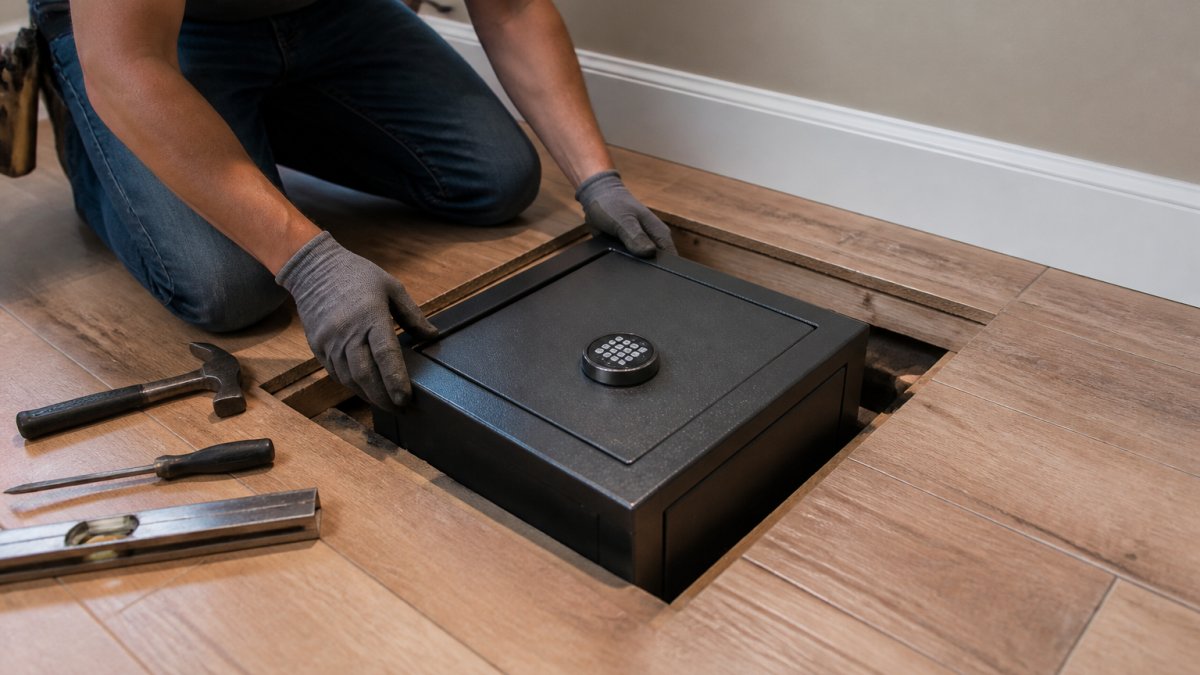
If you've lost the combination or the safe is damaged, a locksmith can often open it without destroying the unit, manipulation, drilling with a scope, or a factory bypass depending on the model. Have the safe's make, model, and serial number ready; that lets the technician quote accurately and, in many cases, contact the manufacturer for a combination or bypass procedure. Opening without destruction is almost always cheaper than replacing the safe.
How to Avoid Locksmith Scams and Surprise Charges
Most locksmith complaints follow a predictable pattern: a low advertised price, a technician who arrives and claims the job is harder than expected, and a final bill several times the quote. The defense is to lock down the price and the provider before anyone touches your door.
The Common Scam Patterns
- The lowball phone quote. A price quoted without asking about your lock type, door material, or vehicle is a guess, and often a deliberately low one. A real quote requires specifics.
- The "your lock is broken" upsell. A technician who arrives and immediately says the lock must be replaced, when rekeying or a minor repair would work, is pushing hardware you don't need. Ask them to show you the failed component.
- The surprise service-call fee. Some operators advertise a low job price but add a separate dispatch or trip fee on arrival. Ask upfront whether the quoted price includes the service call.
- Cash-only pressure. A demand for cash with no receipt removes your paper trail. Legitimate businesses accept cards and provide itemized receipts.
- Unmarked vehicles and no ID. A technician who won't show a business card, license number, or company-branded vehicle is a risk you don't need to take.
A Step-by-Step Defense
- Get the quote in writing before dispatch. Ask for a text or email with the service call fee, labor, and parts listed separately. Save it.
- Confirm the total before work starts. Once the technician assesses the job, have them restate the price in writing, even a text, before they begin.
- Ask what happens if the job is harder than expected. A professional explains the contingency and the added cost range upfront.
- Pay by card and keep the receipt. An itemized receipt listing parts and labor protects you if a dispute arises.
- Verify the business, not just the technician. Confirm the company name, address, and license number match what's on the vehicle and the invoice.
What to Do If You Suspect a Scam
If a technician demands more than the quoted price, refuses to provide a receipt, or threatens to leave your door unsecured, do not pay the disputed amount under pressure. Document the vehicle, the technician's name, and the invoice, then file a complaint with your state attorney general's consumer protection division and, where relevant, the Better Business Bureau. Paying by credit card gives you a chargeback path that cash does not.
Questions That Separate Professionals From Operators
- "What is your license number, and where can I verify it?"
- "Is the service call fee included in this quote, or added on arrival?"
- "Will you put the total in writing before you start?"
- "Do you accept credit cards, and will I get an itemized receipt?"
- "If the lock can be repaired rather than replaced, will you tell me?"
A professional answers all five without hesitation. Hesitation, deflection, or pressure on any one of them is your signal to call the next provider.
Frequently Asked Questions
How can I verify a locksmith is actually licensed and bonded before hiring them?
Ask for their license number and verify it with the Florida Department of Business and Professional Regulation. Request proof of bonding and insurance, legitimate locksmiths will provide documentation without hesitation. Check online reviews on Google and the Better Business Bureau, and ask for references from recent jobs. Licensed locksmiths in South Florida are required to display their credentials, so any hesitation is a red flag.
What should I ask a locksmith before agreeing to service and getting a quote?
Ask for a written estimate before work begins, including the service call fee, labor cost, and any parts needed. Inquire about their response time for emergencies and whether they charge extra for 24/7 service. Ask if they guarantee their work and what warranty they offer. Request clarification on any charges that seem unclear, and confirm they won't exceed the quote without your approval.
How much should a locksmith charge for a service call in South Florida?
Service call fees vary. Emergency or after-hours calls typically cost more than standard business hours visits. Request a detailed quote that breaks down the service call fee separately from labor and materials. This transparency helps you understand what you're paying for and compare quotes fairly across different locksmiths.
What are the main locksmith license requirements in Florida?
Florida requires locksmiths to be licensed through the Department of Business and Professional Regulation. Applicants must pass a background check, meet training requirements, and pass the licensing exam. Licensed locksmiths must carry bonding and insurance. Always verify a locksmith's current license status before hiring, as this ensures they meet state standards for training, conduct, and accountability.