 how-to
Signs Your Home Safe Needs Repair
Table of Contents
- Signs Your Home Safe Needs Repair
- How to Troubleshoot a Digital Safe Lock
- DIY Troubleshooting vs. Professional Intervention
- Electronic vs. Mechanical Failure Diagnostics
- Best Specialized Safe Repair and Combination Services
- Cost of Professional Safe Repair
- When to Repair vs. Replace Your Safe
- Post-Repair Security Verification
Last Updated: August 29, 2026
Signs Your Home Safe Needs Repair
A home safe that stops working creates real security problems. Whether your safe won't open, makes strange noises, or shows visible damage, recognizing warning signs early can prevent lockouts and help you decide whether repair or replacement makes sense. At SOUTHMIAMILOCKSMTIH.COM, we've spent over 30 years helping homeowners identify safe issues before they become emergencies.
Mechanical Wear and Locking Mechanism Failures
The locking mechanism is your safe's most critical component. When it fails, your safe becomes either inaccessible or unsecured.
Listen for grinding or scraping sounds when you turn the dial, this indicates internal gear fatigue or debris accumulation. A healthy safe produces smooth, quiet clicks. Feel for resistance or grinding when turning the dial; normal dials turn with light, consistent pressure. Check whether bolt retraction feels sluggish or delayed; bolts should retract smoothly and immediately when you enter the correct combination. Inspect the door hinges for visible damage or misalignment, as bent or cracked hinges compromise the door's ability to seal properly and affect locking mechanism alignment.
Electronic Lock and Keypad Problems
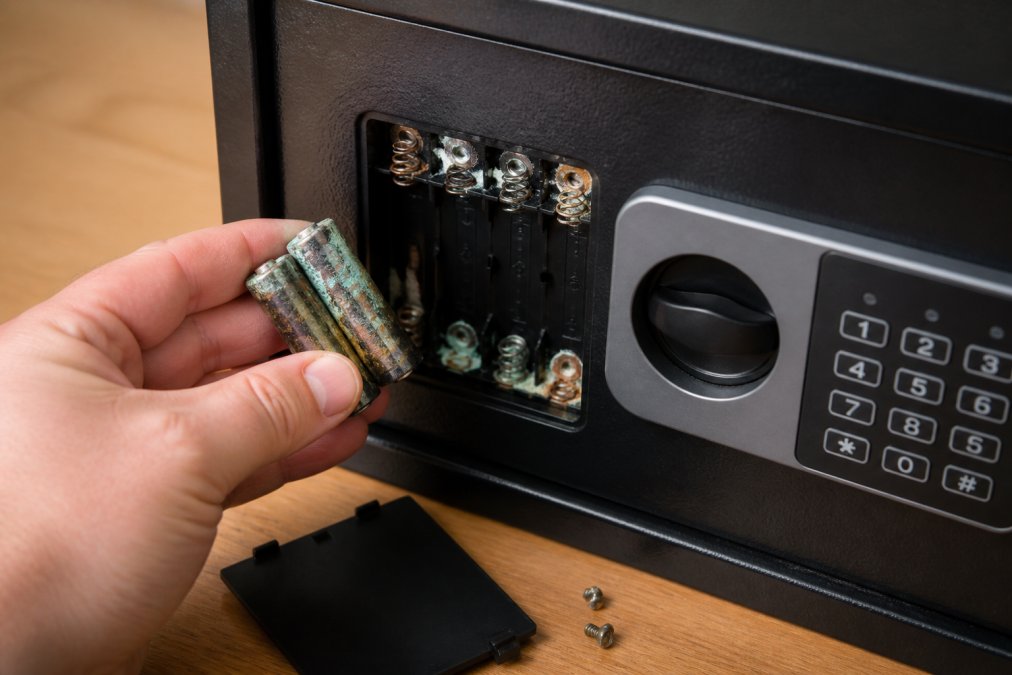
Digital safes rely on battery power and electronic circuits to function. Test keypad responsiveness by pressing each button firmly, each press should produce a beep or light indicator. Check for visible corrosion around the keypad edges or battery compartment, as moisture causes white, green, or blue discoloration on metal contacts (the CDC). Listen for a complete lack of power indicators; a functioning digital safe should show a light, beep, or other power signal when you approach the keypad. Watch for intermittent keypad response, which is a classic sign of battery corrosion or loose battery contacts.
How to Troubleshoot a Digital Safe Lock
Before calling a locksmith, try these diagnostic steps. Most digital safe problems stem from battery issues, which are straightforward to address.
Step 1: Check the Battery and Power Supply
Open your safe's battery compartment, usually located on the interior of the door or the keypad itself. Remove the batteries carefully and inspect them for corrosion. Clean the battery contacts with a dry cloth or pencil eraser to restore electrical contact. Replace batteries with fresh ones of the correct type and voltage if corrosion is heavy. Reinstall the batteries, ensuring they're oriented correctly, and test the keypad. If the safe now responds, the problem is solved. Some digital safes have a backup power port on the keypad; consult your safe's manual if your keypad remains completely unresponsive after battery replacement.
Step 2: Test Keypad Responsiveness and Entry Codes
With fresh batteries installed, press each keypad button individually. Each press should produce a beep or light. Enter your combination slowly and deliberately, pausing between each digit. If the safe doesn't open after correct code entry, try again, sometimes a single misregistered digit prevents the lock from engaging. If the safe still doesn't open after three attempts, wait 30 seconds before trying again, as many safes have a temporary lockout feature (nist.gov). If the keypad is completely unresponsive or only some buttons work, the keypad circuit board may be damaged and requires professional repair.
Step 3: Inspect for Corrosion and Debris
Open the battery compartment and look inside with a flashlight. Examine the metal contacts, springs, and circuit board connections for corrosion, moisture, or debris. Use a dry cloth or soft brush to gently remove dust and debris, do not use water or solvents. If you see active corrosion, the safe has been exposed to significant humidity and may have internal moisture damage requiring professional inspection.
DIY Troubleshooting vs. Professional Intervention
Simple battery replacement and corrosion cleaning are safe DIY tasks. Everything else should be handled by a certified locksmith.
Stop troubleshooting and contact a professional if: the keypad remains unresponsive after battery replacement and cleaning; the dial produces grinding sounds or feels stuck; bolt retraction is sluggish or incomplete; the door is visibly misaligned or won't close properly; you see active corrosion inside the battery compartment or keypad area; the safe has been exposed to water, flooding, or significant humidity; or you've attempted entry multiple times and the safe remains locked.
Professional locksmiths have specialized tools and diagnostic equipment that identify electronic failures, mechanical wear, and alignment issues. Attempting to force open a safe or disassemble the locking mechanism yourself risks permanent damage and may void warranty or insurance coverage. SOUTHMIAMILOCKSMTIH.COM's certified technicians can diagnose safe problems using equipment that identifies electronic failures, mechanical wear, and alignment issues.
Electronic vs. Mechanical Failure Diagnostics
Understanding the difference between electronic and mechanical failures helps you communicate the problem to a locksmith and understand repair options.
Electronic failures affect the safe's ability to recognize your code and trigger the lock mechanism. Signs include keypad unresponsiveness, intermittent power, corrosion inside the battery compartment, or a complete lack of power indicators. Mechanical failures affect the physical components that lock and unlock the safe. Signs include grinding sounds, sluggish bolt retraction, misalignment of the door, or resistance when turning the dial.
A locksmith's diagnostic process typically includes visual inspection of the safe's exterior, testing all electronic components with diagnostic equipment, listening to the lock mechanism, checking battery contacts and circuit board connections, assessing the door's alignment and hinge condition, and determining whether the locking mechanism can be accessed without forcing the door. This comprehensive evaluation provides a clear picture of what can be repaired and what requires replacement.
Best Specialized Safe Repair and Combination Services
Professional safe repair requires specialized knowledge and equipment. When selecting a professional service, look for certification in high-security locks, experience with your specific safe brand and model, licensed and bonded status, ability to service both electronic and mechanical locks, and references from previous customers.
SOUTHMIAMILOCKSMTIH.COM specializes in safe repair and combination services with over 30 years of experience. Our certified technicians are trained on all major safe brands and lock types. We provide on-site diagnostic inspection with specialized equipment, clear explanation of the problem and repair options, written estimates before any work begins, efficient repair or professional opening if repair isn't feasible, post-repair testing to verify the safe functions correctly, and advice on preventative maintenance to extend safe life.
Cost of Professional Safe Repair
Safe repair costs depend on the specific problem, your safe's brand and model, and the complexity of the repair. Battery replacement and keypad cleaning typically represent the lowest cost repair category. Mechanical repairs involving the locking mechanism, bolt system, or hinges require more specialized work and take longer. Complete safe opening without damage, necessary when the safe is locked and repair isn't possible, requires specialized tools and expertise.
Rather than guessing at costs, contact a professional locksmith for a diagnostic inspection and written estimate. SOUTHMIAMILOCKSMTIH.COM provides transparent pricing and explains exactly what work is needed and why. Factors that affect repair cost include whether the problem is electronic, mechanical, or both; the safe's brand, model, and age; whether the safe can be opened without force or specialized drilling; availability of replacement parts for your specific safe model; and travel time if the safe is in a remote location or requires emergency service.
When to Repair vs. Replace Your Safe
The decision to repair or replace depends on the safe's age, the repair cost, and the cost of replacement. A professional diagnostic inspection provides the information needed to make this decision confidently.
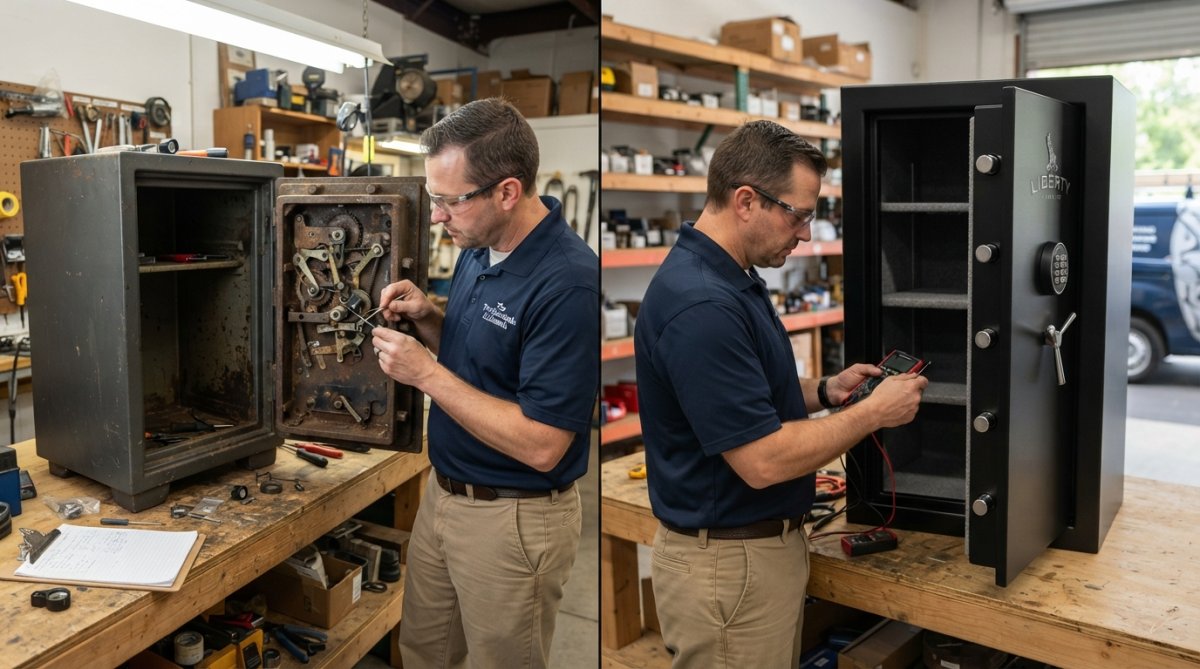
Repair makes sense when the safe is relatively new (less than 15 years old), the repair cost is less than 40-50% of the replacement cost, the problem is limited to a single component, the safe's brand and model are still available for parts, and the safe meets your current security needs (issa.org). Replace the safe when the repair cost approaches or exceeds the cost of a new safe, the safe is very old and multiple components are failing, the safe has been exposed to significant water damage or flooding, the safe's security rating is outdated for your current needs, the safe's locking mechanism has suffered major structural damage, or parts are no longer available for the safe's brand or model.
A professional locksmith can help you evaluate this decision. SOUTHMIAMILOCKSMTIH.COM provides honest assessments of whether repair is worthwhile or whether replacement is the better choice.
Post-Repair Security Verification
After a safe is repaired, verification that the repair was successful and the safe is secure is essential.
Test the locking mechanism multiple times by entering your combination 5-10 times in succession and verifying that the safe opens smoothly each time. Listen for consistent, smooth mechanical sounds of bolt retraction. Verify that the door closes and seals properly, the door should close with a solid sound and require normal force to open. Test the electronic components if your safe has a digital lock by pressing the keypad buttons and entering your code multiple times to ensure the safe reliably recognizes it. Check the safe's alignment; the gap between the door and the safe body should be even on all sides. Request written documentation of the repair work completed and schedule preventative maintenance annually or every 18 months to catch wear before it becomes a problem.
Your home safe is only secure if it functions reliably. If you're noticing unusual noises, difficulty with the dial, keypad problems, or visible damage, don't wait for the problem to worsen. SOUTHMIAMILOCKSMTIH.COM's certified technicians provide professional safe repair and diagnostic services with over 30 years of experience. We use specialized equipment to identify exactly what's wrong, explain your repair and replacement options, and deliver efficient, reliable service. Contact us for a diagnostic inspection and transparent repair estimate.
| Problem Type | DIY Check | Professional Service |
|---|---|---|
| Battery corrosion | Replace batteries, clean contacts | Diagnostic inspection if problem persists |
| Keypad unresponsive | Check battery and power supply | Electronic circuit testing and repair |
| Grinding sounds | Stop using immediately | Mechanical inspection and gear assessment |
| Sluggish bolt retraction | Test multiple entries | Internal mechanism inspection |
| Door misalignment | Visual inspection | Hinge and strike plate adjustment |
| Water exposure | Check for moisture | Structural integrity assessment |
Frequently Asked Questions
What are the most common signs of a failing safe lock?
Common signs include difficulty turning the dial or handle, keypad unresponsiveness or intermittent power, grinding sensations during operation, sluggish bolt retraction, and unusual noises. Mechanical wear to the locking mechanism and solenoid failure are frequent culprits in electronic safes. Battery corrosion can also cause intermittent response. If you notice any of these issues, professional diagnostic inspection is recommended before the safe becomes inoperable.
Can a home safe be repaired if the electronic keypad stops working?
Yes, many electronic keypad failures are repairable. First, check the battery and replace it if corroded or depleted. If the keypad remains unresponsive, the issue may be faulty wiring, a failed solenoid, or internal circuit failure. A professional locksmith can diagnose whether the problem is a simple fix or requires component replacement. Mechanical backup entry methods (dial or key override) can often still function even if the electronic system fails.
How do I know if my safe's fire rating has been compromised after damage?
Visible physical damage like dents, scratches, or warping can compromise a safe's fire rating and structural integrity. Misalignment of the door or locking mechanism may indicate internal damage to the protective layers. If your safe has been exposed to fire, impact, or attempted tampering, have a professional locksmith perform a security vulnerability assessment. Fire-rated safes depend on intact insulation, damage reduces their protective capability.
Is it safe to attempt DIY repairs on a home safe?
Simple troubleshooting like battery replacement or cleaning debris is safe for basic maintenance. However, opening the safe body, adjusting internal mechanisms, or repairing the locking system requires professional expertise. Improper repairs can damage the deadbolt, strike plate, or electronic components, making the safe inoperable or less secure. Licensed locksmiths have the specialized tools and knowledge to diagnose and repair safes without compromising security or functionality.
This article was written using GrandRanker