 how-to
Emergency Lockout Service Pricing Transparency Guide
Table of Contents
- Why Emergency Lockout Pricing Varies So Much
- What Goes Into an Emergency Lockout Service Quote
- Average Cost of Emergency Locksmith: What to Expect
- How to Spot Locksmith Scams Before You Pay
- Licensed Locksmith Verification: Questions to Ask
- Hidden Fees and How to Get an Itemized Receipt
- Insurance, Warranties, and Your Rights as a Consumer
- Conclusion: Getting Fair Pricing Without the Guesswork
- Frequently Asked Questions
Last Updated: September 8, 2026
Getting locked out is stressful enough. Getting hit with a surprise $400 bill afterward makes it worse. The gap between a fair price and a predatory charge often comes down to one thing: emergency lockout service pricing transparency. At SOUTHMIAMILOCKSMTIH.COM, we've spent over 30 years in this industry, and we've seen how confusing pricing structures leave consumers vulnerable. This guide breaks down what drives costs, how to spot inflated quotes, and exactly what to ask before a technician starts working on your door.
The core problem isn't that locksmith services are expensive. It's that many consumers don't know what a reasonable rate looks like until the work is done and the bill arrives. Below, we'll show you how to get a clear, itemized quote before any work begins, so you can avoid the financial surprises that plague this industry. We'll cover the factors that influence pricing, red flags that signal a scam, and the verification steps that protect your wallet.
Why Emergency Lockout Pricing Varies So Much
Emergency lockout pricing is highly variable because it combines several cost components that shift based on your situation. Unlike standard business-hours work, an emergency call carries premiums for urgency, travel distance, and the specific type of lock involved. A simple residential knob on a weekday afternoon costs far less than a high-security deadbolt at 2 AM.
The time of day is the single biggest driver of cost. Most reputable companies apply an after-hours surcharge for nights, weekends, and holidays. This is standard practice across service industries, not just locksmithing. Your location also matters; a technician traveling across the county to reach you will factor that drive time into the quote.
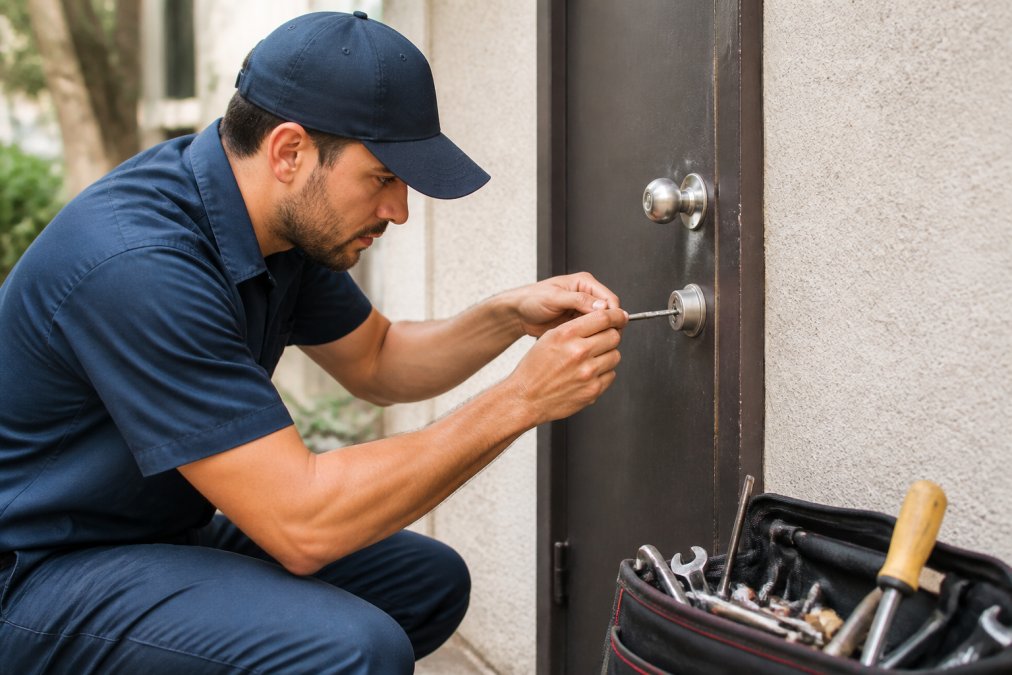
The type of lock and the difficulty of entry play a major role as well. Non-destructive entry on a standard spring latch is quick. Picking a high-security lock with anti-pick pins or drilling through a rusted, damaged mechanism takes more skill and time. That complexity translates directly into labor costs. Understanding these variables is the first step toward recognizing whether a quoted price is fair or inflated.
What Goes Into an Emergency Lockout Service Quote
A transparent emergency lockout service quote breaks down into three main categories: the service call fee, the labor rate, and any additional hardware costs. The service call fee, sometimes called a dispatch fee, covers the technician's travel time and fuel to reach your location. This fee is typically flat and should be quoted upfront when you call.
Labor costs represent the actual work performed. Reputable locksmiths charge either a flat-rate for standard lockouts or an hourly rate for more complex jobs. A flat-rate price for a basic residential unlock should include the technician's time, the non-destructive entry attempt, and basic key handling. If the job requires drilling a lock or replacing a damaged cylinder, expect additional charges for the new hardware.
Average Cost of Emergency Locksmith: What to Expect
The average cost of an emergency locksmith varies widely based on your region and the specifics of the job, but you should always expect to pay more than standard daytime rates. Industry norms suggest that a typical after-hours residential lockout runs higher than a daytime call, but exact figures fluctuate by market. Instead of relying on a single national number, focus on getting a localized quote from a technician who serves your immediate area.
For a fair comparison, request pricing from multiple providers before choosing one. When you call, describe your exact situation: the type of lock, your vehicle's make and model if it's an automotive lockout, and whether you're in a home or commercial building. A legitimate dispatcher should provide a reasonable estimate range based on this information.
| Job Type | Typical Pricing Model | What Affects the Price |
|---|---|---|
| Residential Lockout (Daytime) | Flat-rate | Lock brand, door type |
| Residential Lockout (After-Hours) | Flat-rate + surcharge | Time of call, distance |
| Automotive Lockout | Flat-rate per vehicle | Car make, key type, year |
| Commercial Lockout | Hourly or project rate | Security system complexity |
How to Spot Locksmith Scams Before You Pay
Locksmith scams are prevalent enough that regulatory bodies and consumer watchdogs regularly issue warnings about them (the FTC). The most common scheme involves lowball advertising, where a call center answers with a very low price, but the technician who arrives demands significantly more for the same job.
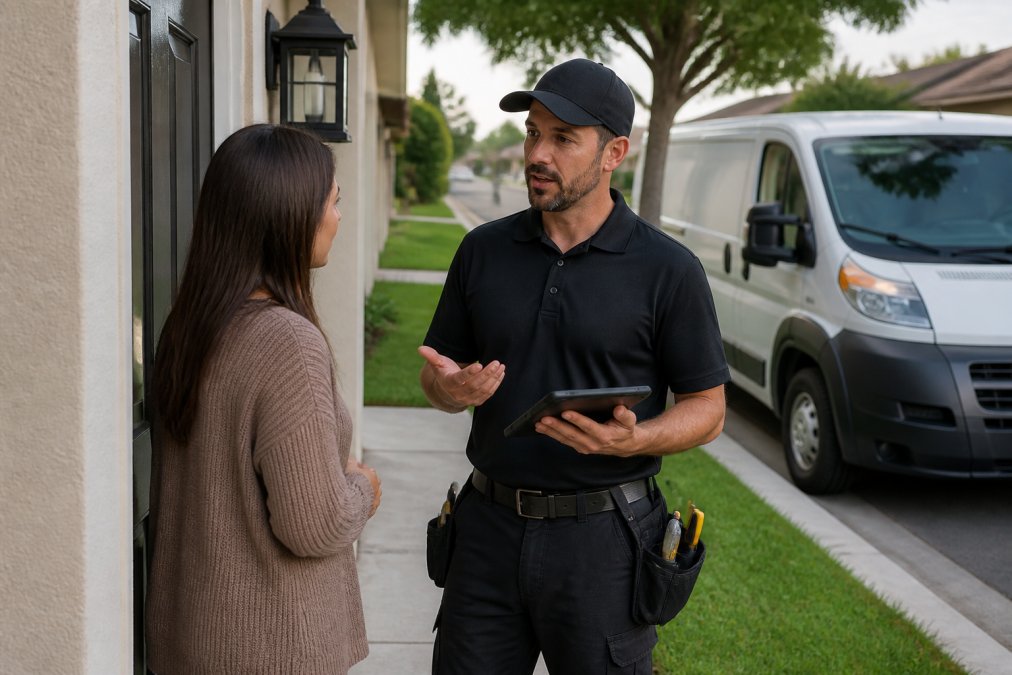
Several warning signs should trigger immediate caution. A dispatcher who answers with a generic business name rather than a specific company is a major red flag. Scammers often operate under multiple alias names to avoid negative reviews. Similarly, if the technician arrives in an unmarked vehicle or cannot provide proper identification, do not let them begin work.
Another common tactic is claiming that your lock is "too damaged" or "high-security" and requires immediate, expensive drilling and replacement. While some locks do require destructive entry, a legitimate technician will always attempt non-destructive entry first and explain why drilling is necessary before doing it. If you feel pressured or the technician insists on cash payment only, end the interaction. Check reviews on independent platforms and verify the company has a physical local address. For more guidance on protecting yourself, the Federal Trade Commission's consumer advice on hiring home service pros offers practical steps.
Licensed Locksmith Verification: Questions to Ask
Licensed locksmith verification is your strongest defense against both scams and substandard work. A legitimate, licensed technician operates under state and local regulations that require bonding and insurance. Before you allow anyone to work on your locks, ask for their license number and the name of the company they represent.
Confirming licensing protects you in two ways. First, it ensures the technician has met minimum training standards. Second, it means the company carries liability insurance, so if they accidentally damage your door or lock, you are not left covering the repair costs. A technician who hesitates or becomes defensive when asked for proof of licensing is not someone you want working on your property.
Hidden Fees and How to Get an Itemized Receipt
Hidden fees are the primary reason emergency lockout service pricing transparency matters so much. Beyond the quoted service call and labor, be alert for surprise add-ons like "difficulty surcharges," "late-night fees," or "emergency materials" that were never mentioned during the initial call. The best way to prevent these is to demand an itemized receipt before the technician leaves.
A proper receipt lists each charge separately: the service call fee, the labor cost with time billed, any parts or hardware replaced, and applicable taxes. If a charge appears on the receipt that was not part of the phone quote, question it immediately. Do not pay until you understand every line item. Paying by credit card rather than cash also provides a paper trail and a way to dispute unauthorized charges with your card issuer.
Insurance, Warranties, and Your Rights as a Consumer
Understanding your rights regarding insurance and warranties can save you from paying for damage that should be covered by the service provider. A licensed and insured locksmith should carry liability coverage that protects your property during the job (ncsl.org). If a technician drills through your door frame without authorization and damages it, their insurance should cover the repair.
Ask about warranties on both labor and parts before work begins. Reputable companies stand behind their workmanship. If a newly installed deadbolt fails within a reasonable period, the company should return and fix it at no additional cost. Clarify the warranty terms in writing.
Also, check your own insurance policies. Many homeowners and renters insurance policies cover the cost of emergency lockout services, particularly if the lockout involves a break-in or lost keys. Some automotive policies and roadside assistance programs, like those offered through your car insurance provider, also include lockout coverage. Reviewing your policy documents or calling your agent could mean the difference between a $200 bill and a $0 copay.
Conclusion: Getting Fair Pricing Without the Guesswork
Navigating emergency lockout pricing doesn't have to feel like a gamble. By understanding the cost components, asking for verification, and demanding itemized quotes, you protect yourself from predatory billing. The key is to do your due diligence before you're standing outside in the dark, not after the technician has already started drilling.
For residents who want a provider that prioritizes transparency, SOUTHMIAMILOCKSMTIH.COM offers licensed, bonded, and insured technicians with over 30 years of experience. Our certified professionals handle residential, commercial, and automotive emergencies with clear, upfront communication. Get started with SOUTHMIAMILOCKSMTIH.COM and get fair, honest pricing on your next lockout service.
Frequently Asked Questions
How much should an emergency locksmith charge for a lockout?
The average cost of emergency locksmith services depends on several factors, including the time of day, your location, and the type of lock. Emergency lockout service pricing transparency means getting a clear quote before work begins. Expect a base service call fee plus labor costs, with after-hours surcharges applied outside standard business hours. Always ask for the out-the-door price upfront, including all fees, before the technician starts. This protects you from surprises and helps you compare quotes fairly.
What questions should I ask a locksmith before they arrive?
Ask for a licensed locksmith verification by requesting their license number and confirming they are bonded and insured. Inquire about their emergency response time and whether an after-hours surcharge applies. Request a firm service quote over the phone, including the service call fee, labor costs, and any lock hardware costs. Ask if they use non-destructive entry methods. Finally, confirm they provide an itemized receipt before payment. These questions help you avoid hidden fees and lowball advertising tactics.
How can I tell if a locksmith quote is transparent?
A transparent quote breaks down costs into clear categories: service call fee, labor costs, and any lock hardware costs. The provider should offer a flat-rate pricing structure or explain their hourly rate before dispatching a technician. Be wary of quotes that only give a phone estimate and then change on site. Emergency lockout service pricing transparency also means the technician explains any difficulty surcharge before starting work and provides an itemized receipt afterward. This level of clarity is the industry standard for reputable providers.
What are the warning signs of a locksmith scam?
Common locksmith scam signs include lowball advertising with extremely low phone quotes that double on site, dispatch fees that vanish from the final bill, and technicians who demand cash payment before completing the job. A lack of professional certification or refusal to provide license details on request is another red flag. Legitimate providers use marked vehicles, carry identification, and offer non-destructive entry as the first option. If the technician insists on drilling your lock without explaining why, stop the job and verify their credentials.