 how-to
Repair Broken Car Ignition Key: Step-by-Step Guide
Table of Contents
- What to Do Immediately When Your Car Key Breaks in the Ignition
- Assess the Damage: Can You Extract It Yourself?
- Tools You'll Need for Broken Key Removal
- Step-by-Step Extraction Process
- When to Call a Car Key Extraction Service
- Understanding Ignition Cylinder Repair Cost and Replacement
- Preventing Future Broken Keys in the Ignition
- Frequently Asked Questions
Last Updated: September 1, 2026
What to Do Immediately When Your Car Key Breaks in the Ignition
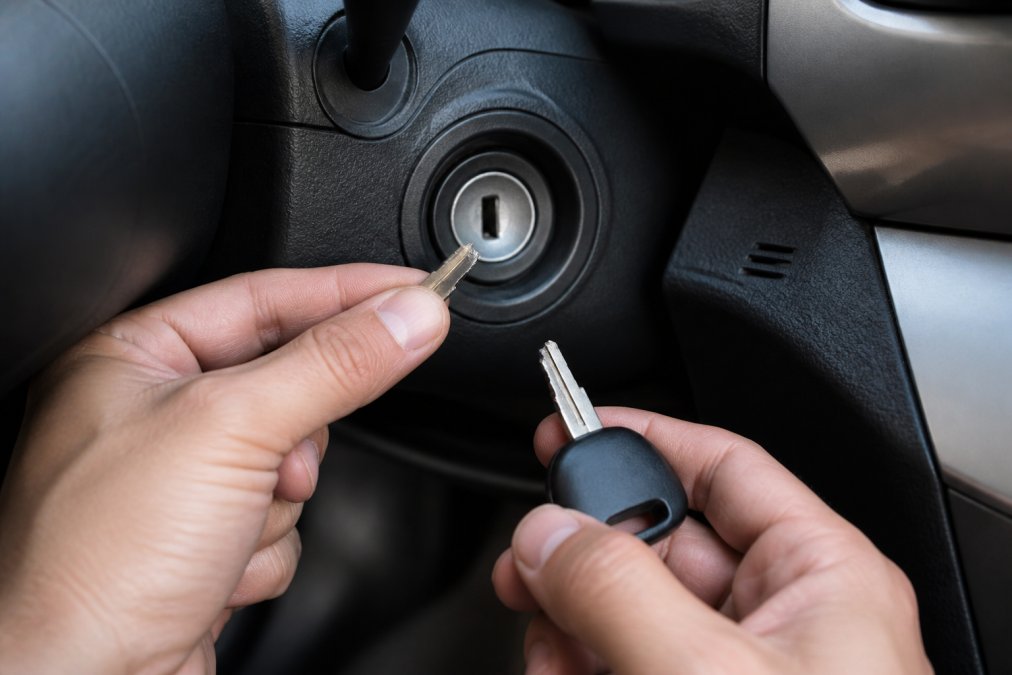
A broken car ignition key is different from a regular lockout, the key is physically stuck inside the ignition cylinder, and every attempt to extract it yourself risks making things worse. The immediate steps you take determine whether this becomes a quick fix or an expensive repair.
Stop trying to turn the key or wiggle it out. Every movement can push broken fragments deeper into the ignition barrel or damage the internal locking mechanism. If part of the key is still visible, you have options. If the key snapped completely inside the cylinder, you need professional help.
At SOUTHMIAMILOCKSMTIH.COM, we have extensive experience extracting broken keys from ignition cylinders. People who call us promptly often benefit from a simpler extraction. People who wait or try aggressive DIY methods often end up needing a full ignition cylinder replacement.
Here's what to do right now:
- Don't force anything. Forcing the key, turning the ignition, or applying heat will cause internal damage.
- Remove any visible key fragment. If part of the key protrudes from the ignition, use tweezers or needle-nose pliers to gently remove it.
- Assess what's stuck. Is the key broken cleanly or shattered? Is the transponder chip visible? This information matters for the next step.
- Call a professional immediately if: The key is completely inside the cylinder, the ignition feels damaged or loose, or you're not confident extracting it yourself.
The longer the broken fragment sits inside, the higher the risk of corrosion or additional internal damage to the lock mechanism (peer-reviewed research). What starts as a key extraction can become an ignition cylinder replacement if you wait too long.
Assess the Damage: Can You Extract It Yourself?
Not every broken key situation requires a professional locksmith. The determining factor is whether you can safely access and remove the broken fragment without damaging the ignition cylinder further.
If the key broke above the keyway (the slot where the key enters), you have a reasonable chance of extracting it yourself. If the key snapped flush with the ignition barrel or inside the cylinder where you can't see it, professional extraction is your safest bet.
Turn the ignition key gently to the "On" position. If the cylinder turns smoothly and the key feels stable, the internal mechanism is likely intact. If the cylinder feels loose, grinding, or stuck, the break has already damaged the lock internals, stop and call a professional.
Modern cars with transponder chips add complexity (nhtsa.gov). If your car's key has an electronic chip and the break happened at the head of the key, you're looking at a more involved repair. The chip needs to be programmed to your vehicle's immobilizer system, which requires professional equipment.
If you've never worked with locks or small mechanical components, professional extraction is worth the cost. A single wrong move can turn a simple extraction into a cylinder replacement.
Tools You'll Need for Broken Key Removal
If you've decided to attempt extraction yourself, you need the right tools. Using the wrong tool damages ignition cylinders.
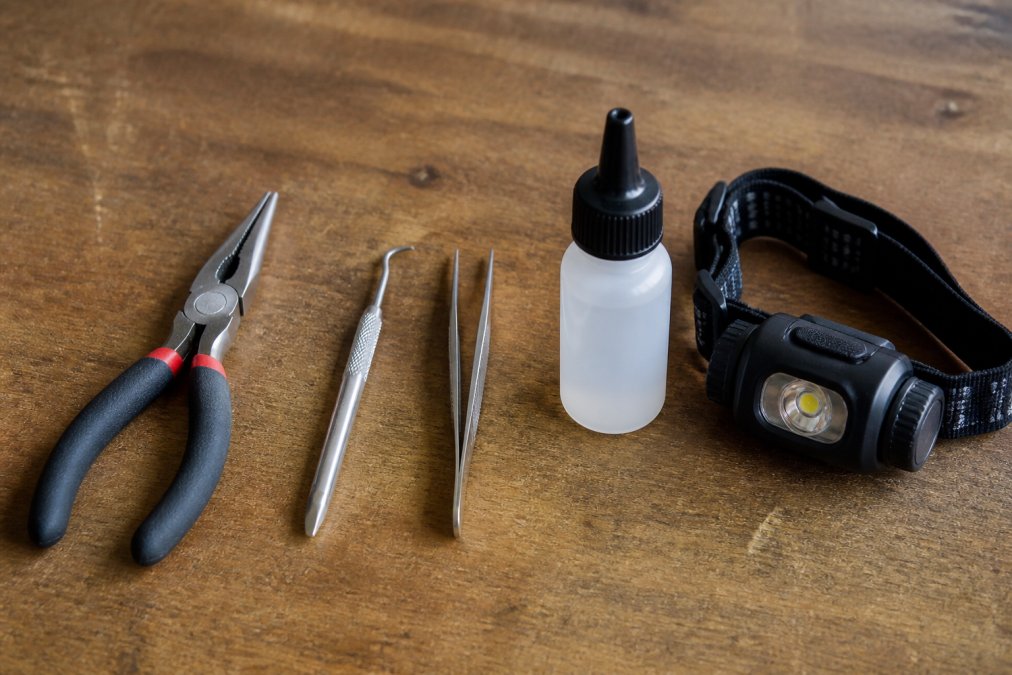
Essential tools for broken key extraction:
- Needle-nose pliers - The most common tool for this job. Look for pliers with a smooth grip and fine tips.
- Key extractor tool - A specialized tool designed for this exact problem. These cost between $10 and $30.
- Tweezers or forceps - For small fragments or when the broken piece is partially visible.
- Lubricant spray - Silicone-based spray lubricant helps loosen the broken fragment. Never use oil-based lubricants.
- Small flashlight or headlamp - You need to see what you're doing.
- Work gloves - Broken metal edges are sharp.
Tools to avoid:
Do not use regular screwdrivers, knives, or improvised tools. These will scratch the lock cylinder. Do not use hammers or apply force. Do not use adhesives.
If you don't have a proper key extractor tool, you can improvise with a thin metal pick or a straightened paperclip with a small hook bent into the end.
Step-by-Step Extraction Process
The extraction process requires patience and precision. If at any point you feel resistance or hear grinding sounds, stop immediately and call a professional.
Using Needle-Nose Pliers
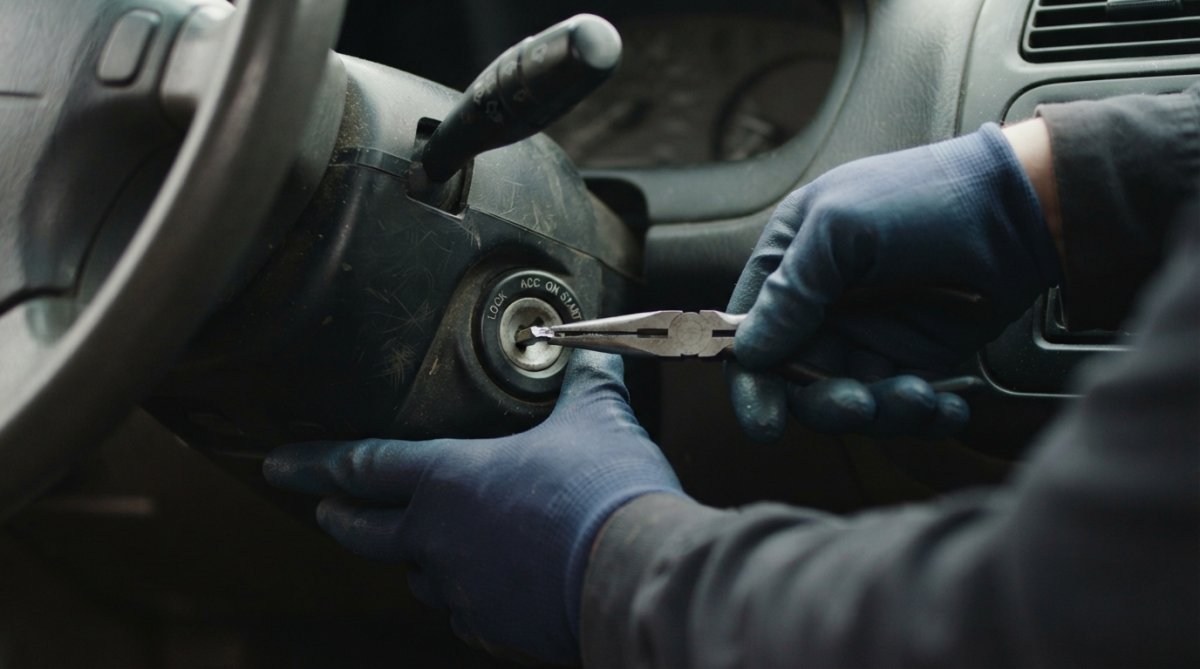
- Position the pliers carefully. Insert the plier tips into the ignition alongside the broken key fragment. Grip the fragment, not the lock cylinder walls.
- Grip gently. Close the pliers around the key fragment with moderate pressure, firm enough to hold it, but not so tight that you crush the metal.
- Pull straight out. Pull the fragment straight toward you in one smooth motion. Do not twist, wiggle, or apply jerking force.
- If resistance appears, stop. If you feel the fragment catching or the pliers slipping, release immediately.
- Repeat if necessary. If the key broke into multiple pieces, extract fragments one at a time. After each extraction, check the ignition cylinder for debris.
Using a Key Extractor Tool
- Insert the extractor. Slide the extractor tool into the ignition alongside the broken key.
- Position the hook under the fragment. Wiggle the extractor gently until the hook catches under the broken key.
- Pull steadily. Once the hook is engaged, pull the extractor straight out in one smooth motion.
- Inspect the cylinder. After extraction, use your flashlight to look inside the ignition. Check for remaining fragments or debris. Clean out any debris with compressed air or a small brush.
- Test the ignition. Insert a working key and turn it gently. It should turn smoothly without resistance.
When to Call a Car Key Extraction Service
Some situations require professional extraction from the start.
Call a professional immediately if:
- The key is completely inside the ignition cylinder and not visible
- The ignition cylinder feels loose, damaged, or makes grinding sounds
- Your car uses a transponder key (most cars made after 2000)
- You've already attempted extraction and failed
- The broken key fragment is stuck deep in the keyway
- You're uncomfortable working with mechanical components
Professional automotive locksmiths have specialized extraction tools and equipment that can remove broken fragments without damaging the lock. They can also diagnose whether the ignition cylinder itself is damaged and needs replacement.
Professional locksmiths also handle the programming of replacement keys for modern vehicles (aloa.org). If your broken key was a transponder key, the replacement key must be programmed to your vehicle's immobilizer system. This requires specialized equipment and access to your vehicle's security codes.
Understanding Ignition Cylinder Repair Cost and Replacement
If the ignition cylinder is damaged, repair is not always an option. Often, replacement is the only solution.
When repair is possible: If the cylinder itself is intact but the broken key left debris or minor damage to the keyway, a professional locksmith can sometimes clean and lubricate the cylinder to restore function. This is the least expensive option.
When replacement is necessary: If the cylinder is cracked, the internal locking mechanism is damaged, or the keyway is severely scratched, replacement is the only reliable solution.
What replacement involves:
- Removing the steering column cover and any components blocking access to the ignition
- Disconnecting the electrical connector (if applicable)
- Removing the damaged cylinder
- Installing a new cylinder
- Programming the new key to your vehicle's immobilizer system (for modern cars)
- Testing the new ignition to ensure proper function
Ignition cylinder replacement can take time depending on the vehicle. For many vehicles, the total cost varies when done by a professional locksmith.
If your car has a transponder key, the new key must be programmed to your vehicle's security system. A qualified automotive locksmith has this equipment and can program new keys on-site.
Preventing Future Broken Keys in the Ignition
Once you've dealt with a broken key, prevention becomes important. Most broken keys result from metal fatigue, wear, or using a key that's already damaged.
Why keys break:
- Metal fatigue: Repeated insertion and turning causes microscopic cracks that eventually fail.
- Worn or damaged keys: A key that's been bent, dropped, or corroded is weakened.
- Worn ignition cylinder: A loose or worn cylinder puts extra stress on the key.
- Forcing the key: Turning the key with excessive force causes stress fractures.
Prevention strategies:
- Don't force your key. If the ignition is sticky, lubricate it with silicone spray.
- Replace worn keys before they break. A new key can prevent more costly repairs.
- Maintain your ignition cylinder. Every 6-12 months, spray silicone lubricant into the ignition to keep the internal mechanism smooth.
- Keep your key clean and dry. Corrosion weakens metal. If your key gets wet, dry it immediately.
- Use a key cover or key chain carefully. Heavy key chains put stress on the key.
- Have a spare key ready. If your primary key breaks, you have a backup.
The most important prevention step is simple: treat your ignition key with respect. Don't force it, don't expose it to moisture, and replace it if it shows signs of wear.
Dealing with a broken car ignition key is stressful, but the solution is straightforward if you act quickly. For simple extractions where the key is partially visible and the cylinder is undamaged, careful DIY extraction using needle-nose pliers or a key extractor tool is often successful. However, if the key is completely inside the cylinder, the ignition feels damaged, or you're working with a transponder key, professional extraction is the right choice.
SOUTHMIAMILOCKSMTIH.COM has the specialized tools and expertise to extract broken keys safely, diagnose ignition cylinder damage, and program replacement keys for modern vehicles. Our licensed and bonded technicians handle these situations every week and can usually complete extraction and diagnosis in a single visit. If you're facing a broken key situation and need professional help, contact us for a prompt assessment and expert repair.
Frequently Asked Questions
What should I do immediately if my car key breaks in the ignition?
Stop turning the key immediately to prevent pushing the fragment deeper into the ignition cylinder. Do not attempt to start the vehicle again. Turn off the engine and remove the key fob from the ignition. Assess how much of the key blade remains visible, if most of it is stuck inside, avoid DIY extraction and call a professional locksmith. If a small portion protrudes, you may attempt extraction with needle-nose pliers or a key extractor tool, but only if you're confident you won't damage the ignition barrel.
Can I use superglue to remove a broken key from the ignition?
No. Superglue is dangerous and will likely worsen the situation. Applying adhesive inside the ignition cylinder can permanently damage the lock mechanism, making professional extraction much more difficult and expensive. The glue can harden around the broken fragment and ignition components, potentially requiring full ignition cylinder replacement. Professional locksmiths strongly advise against this method. Stick to mechanical extraction tools or contact a car key extraction service instead.
How much does it cost to fix a broken ignition key?
The cost depends on whether you need key extraction, ignition cylinder repair, or full replacement. Simple key extraction by a professional locksmith typically costs less than dealership services. Ignition cylinder repair cost varies based on your vehicle's make and model, the extent of damage, and labor rates. For a precise quote, contact a licensed automotive locksmith who can assess the damage and provide pricing. Many locksmiths offer emergency service rates that differ from standard appointments.
Will my insurance cover a broken ignition key?
Most standard auto insurance policies do not cover broken keys or ignition damage caused by mechanical failure or wear. However, if the damage resulted from a covered incident like theft or vandalism, your comprehensive coverage may apply. Check your specific policy or contact your insurance agent. Some roadside assistance plans included with insurance or memberships may cover emergency lockout services. Keep documentation of the repair for your records in case you need to file a claim.
This article was written using GrandRanker